
Middle East Conflict And Its Effect on Global Polymer Industry - Effect on Supply Chains, Prices and What Comes Next
The current war in the Middle East has directly impacted the supply of polymers to the key export destinations. Polymers such as polyethylene (PE), polypropylene (PP), PVC, PET, and engineering plastics are closely linked to oil, natural gas, and petrochemical feedstocks. Thus, the disruption of vessel movements in the Strait of Hormuz has created global feedstock shortages, impacting production and spiking polymer prices.
The Middle East, one of the important petrochemical production and export hubs, has been affected by the ongoing war. Both Polypropylene and polyethylene are derived from crude oil and natural gas. And hence they have become highly sensitive products during these geopolitical events.
Why is the Middle East important to the polymer industry?
Polymers, as stated above, are produced from crude oil and natural gas, such as propane, ethane and naphtha. Some of the large petrochemical complexes are present in Gulf countries. They are thus the suppliers for the Asia, Europe and African continents.
According to Reuters, in the year 2025, the Middle East accounted for more than 40% of the global polyethylene exports. About $20 billion to $25 billion worth of petrochemical products generally pass through the Strait annually. Hence, the disruption in the Strait means polymer buyers globally will face tighter supplies and higher expenses. The prices of plastics have surged since the conflict in the Middle East began.

Supply disruptions and export restrictions
One of the direct impacts of the war is on the flow of petrochemical trade. Iran stopped petrochemical exports to protect domestic supplies once the war ended. According to Reuters, Iran exports 29 million tonnes of petrochemical products annually, worth around $13 billion. Thus, when this significantly high volume of exports is removed from the global market, it affects the polymer price.
Pressure on the shipping routes
Even if the global polymer plants remain operational, the increased pressure on sea routes, especially the Red Sea and Strait of Hormuz, is affecting the transportation of materials. These corridors are essential for the movement of feedstocks, resins, additives, and finished polymers. However, the current Gulf War situation has contributed to ongoing delays, increased insurance surcharges, rerouting, and vessel shortages. For manufacturers, even a few weeks of transportation disruption can disrupt production lines.
Globally rising polymer prices
The above-mentioned disruptions have been pushing feedstock and resin prices upward. According to sources, producers in Europe and other parts have been forced to increase prices by 50%, as reported by the Times of India.
According to The Times of India, most Indian producers have been forced to increase prices by 65% within a month. The surge in prices matters because polymers are widely used in the food packaging industry, the manufacturing of medical products, electronic housings, automotive parts, and household goods. Thus, a rise in the price of the polymer has significantly affected the consumer sector.
Winners and losers in the market
While producers less dependent on Middle Eastern feedstocks are unlikely to be affected by the war. For instance, US producers using natural gas-based feedstocks have a relative advantage over other countries. Meanwhile, Europe's energy-intensive chemical producers are struggling. Thus, the potential winners in this case are the U.S. ethane-based polymer producers, recyclers and alternative logistic arrangers.
While import-dependent producers, small packaging manufacturers, and Automotive and appliance suppliers are the losers because of the effects of this war.
What are the long-term changes the industry can expect?
While dealing with the current crisis, there might be a few structural changes underway for the polymer sector. For instance, manufacturers will reduce dependence on a single region (in this case, the Gulf countries) and build multi-source supplier relationships for future reference. Since resin prices have soared, manufacturers might be looking to resort to polymer recycling. This will keep the prices under control. Countries are also looking to invest in domestic polymer production to reduce import dependence.
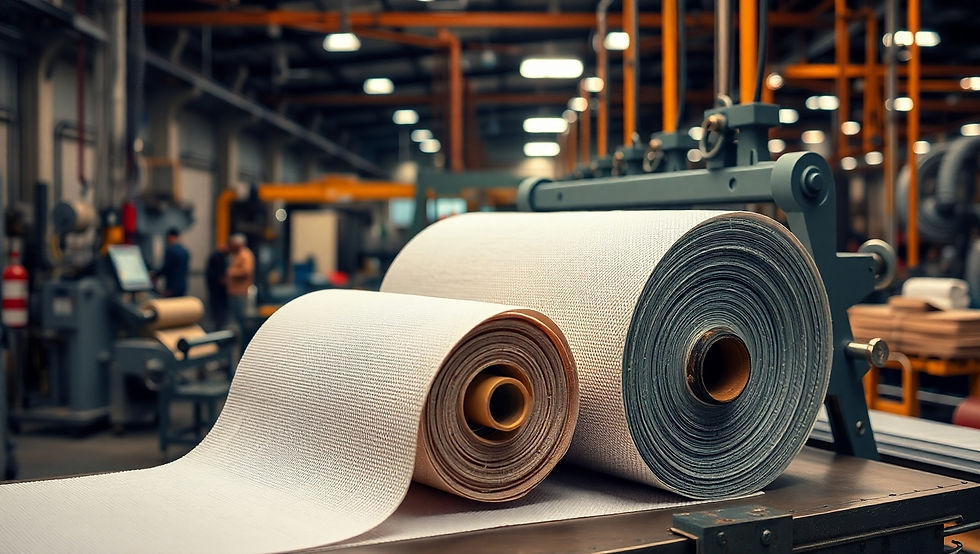
The current Middle East crisis has specifically highlighted the relationship between geopolitics and the polymer manufacturing sector. What began as a regional conflict reshaped the global polymer pricing, availability and shipping routes. Thus, the war has a clear lesson for the polymer industry: they need to diversify their sources and strengthen their logistics planning to adapt to market volatility.
Sreedm Group of Companies is one of the leading manufacturers of high-quality plastic packaging solutions and FIBC bags suppliers in India. Our range of products includes PP Woven Bags, AD Star Block Bottom Bags, BOPP Bags, FIBC Jumbo Bags, PP Woven Fabrics, and Polypropylene Yarns. We take pride in our end-to-end integration, ensuring complete control over quality, technical services, design, manufacturing, and deliveries.


